Teaching

Why I Love Stockton for Night Flight Training
a step-by-step guide to my favorite training route
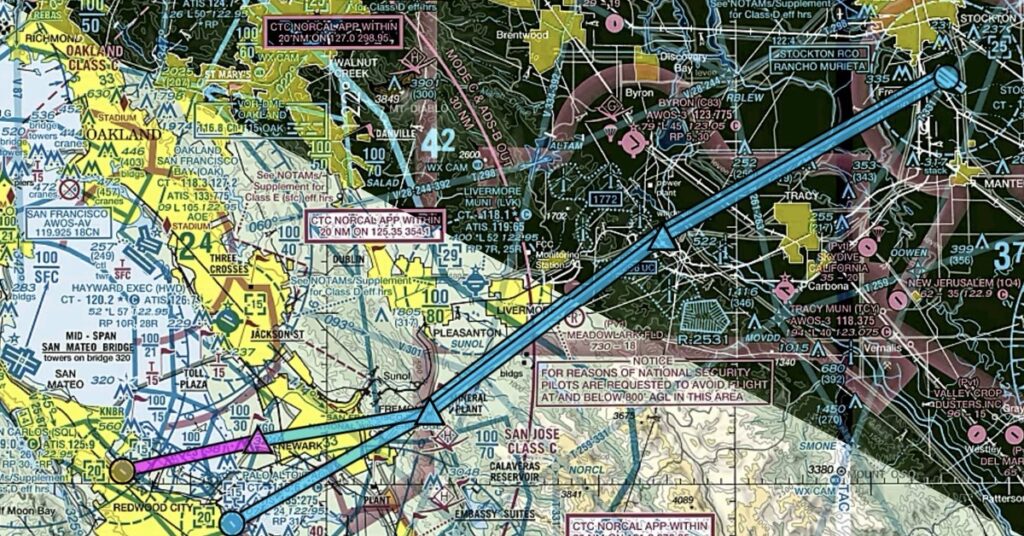
An FAA sectional shown in standard colors and inverted colors with a route to Stockton plotted.

Stockton Metro Airport (KSCK) is my favorite training destination for a night cross-country because it regularly produces valuable situations I’d like a student to encounter.

I like it so much that even if a student trains at Palo Alto Airport (only 49 nm from Stockton),1 I will have them start with a relocation flight to San Carlos, then do their cross-country from San Carlos to Stockton and back to Palo Alto.

Interested to see what we’ll encounter? Join me on a typical night flight to Stockton!

…
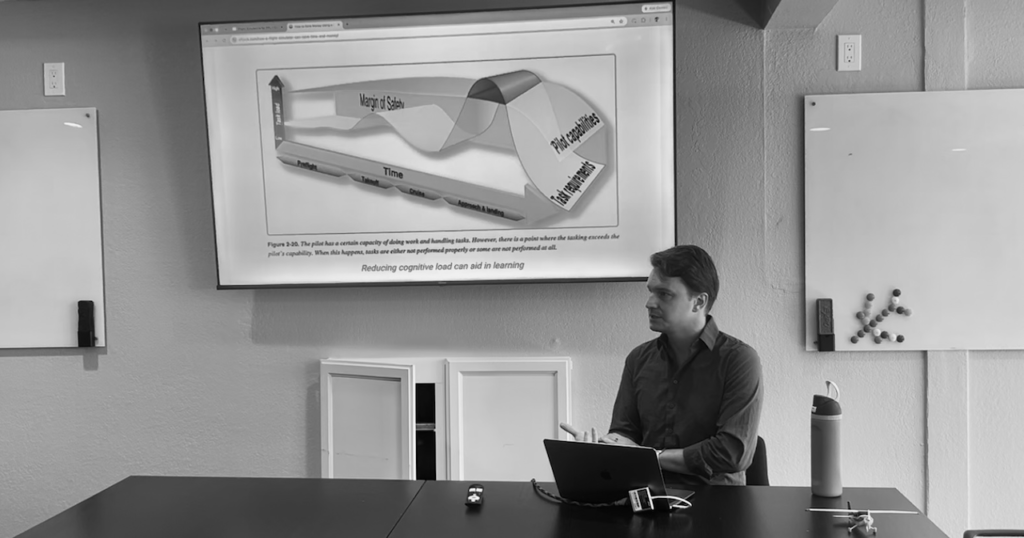
How to Save Money Using a Flight Sim in Private Pilot Training

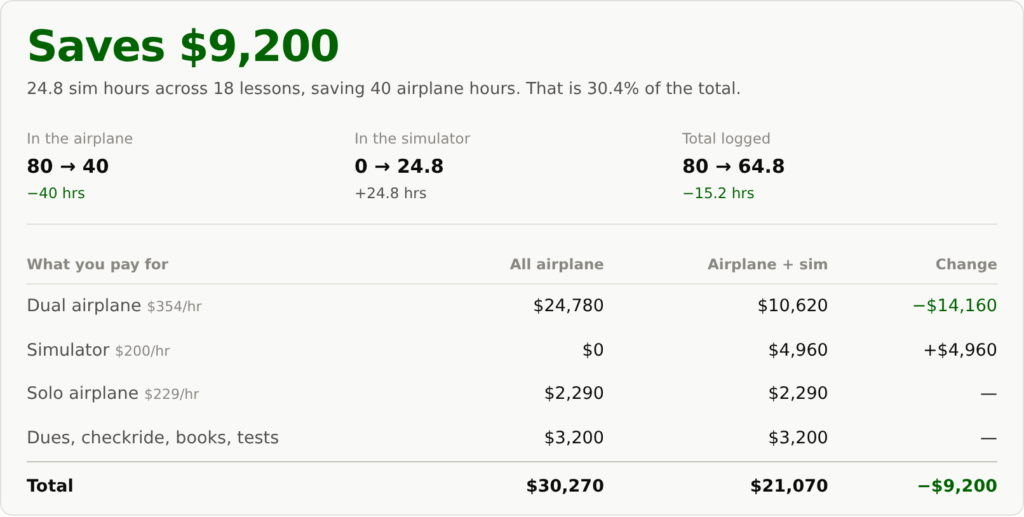
The theory is pretty simple: the FAA only requires 40 hours of flying the airplane, but a typical private pilot in the Bay Area needs ~80 hours. Could we close that gap and save money using a flight sim? At ~$230/hour for a Cessna 172S, wouldn’t it be nice to shave off an extra 40hr * $230/hr = $9,200?1

I initially wrote about simulators in 2024 (How to Leverage a Simulator for Flight Training). The additional years of teaching have further clarified and generalized those ideas. This post provides a framework for students and instructors to reduce flight hours, optimize instructor time, and avoid future costs.

…

Wanted: Earlier Go-Arounds, More Go-Arounds
how complacency can erode safety margins

I didn’t have ‘runway excursion’ on my personal bingo card for 2024. Some of the reasons it happened were pretty mechanical, like my student needing more right rudder in landing. Some are more subtle, like complacency and not adjusting to changing circumstances.

What I (and hopefully now others) learned from this experience is how we can unconsciously erode our safety margins.

…